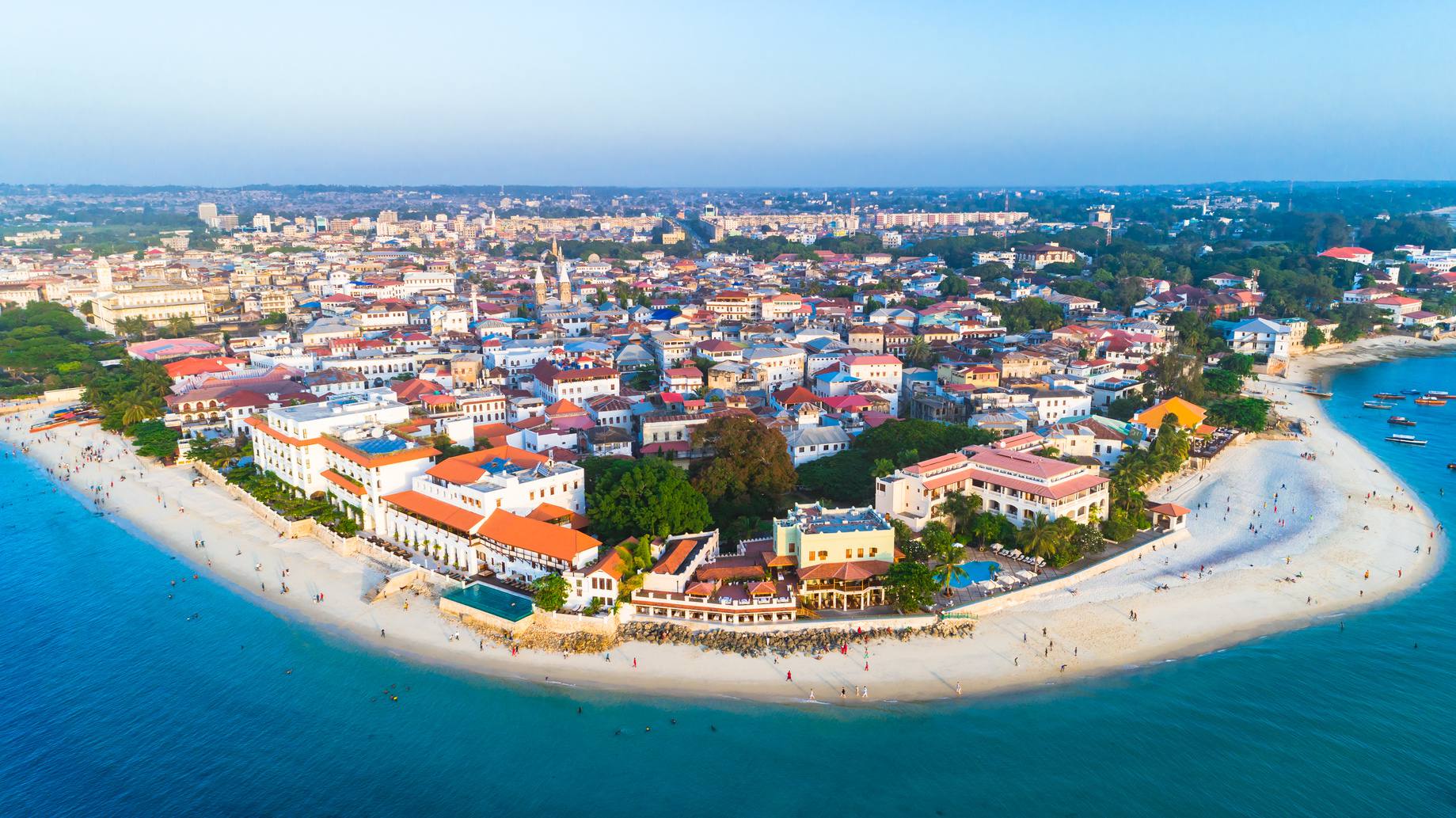
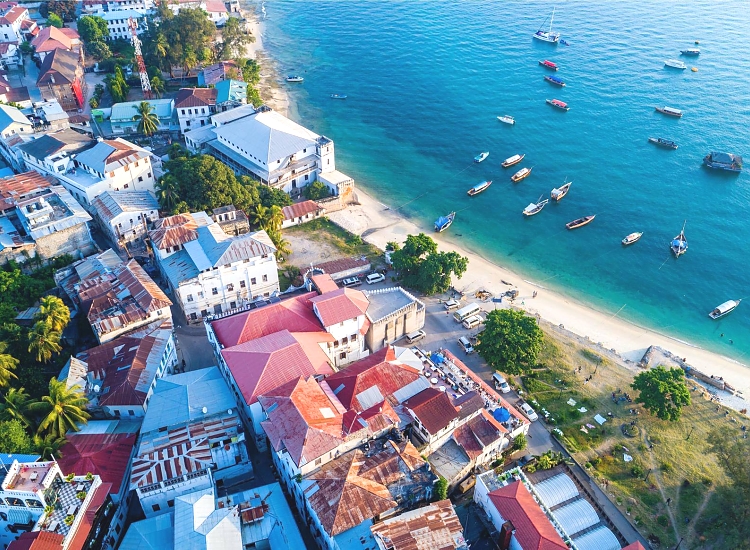
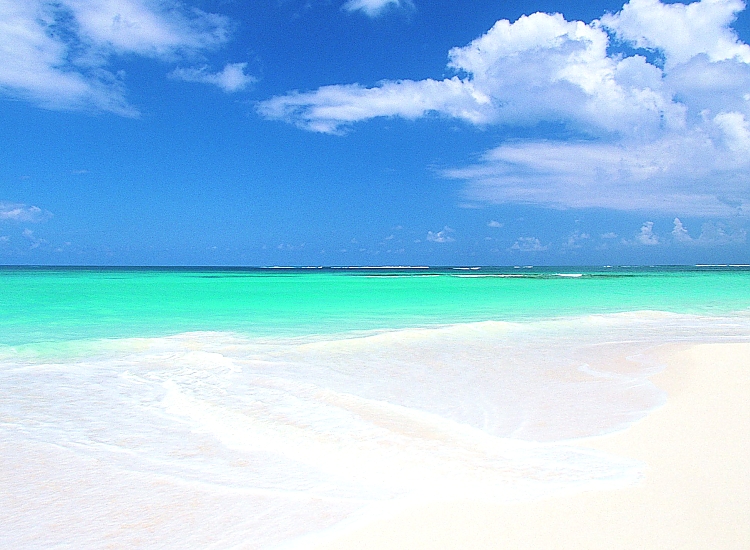
Also known as the Spice Island, the beautiful island of Zanzibar is full of culture and history, shinning white-sand beaches with palms swaying lazily in the sea breeze, together makes Zanzibar a fabulous place to explore as well as a dream to relax and unwind.
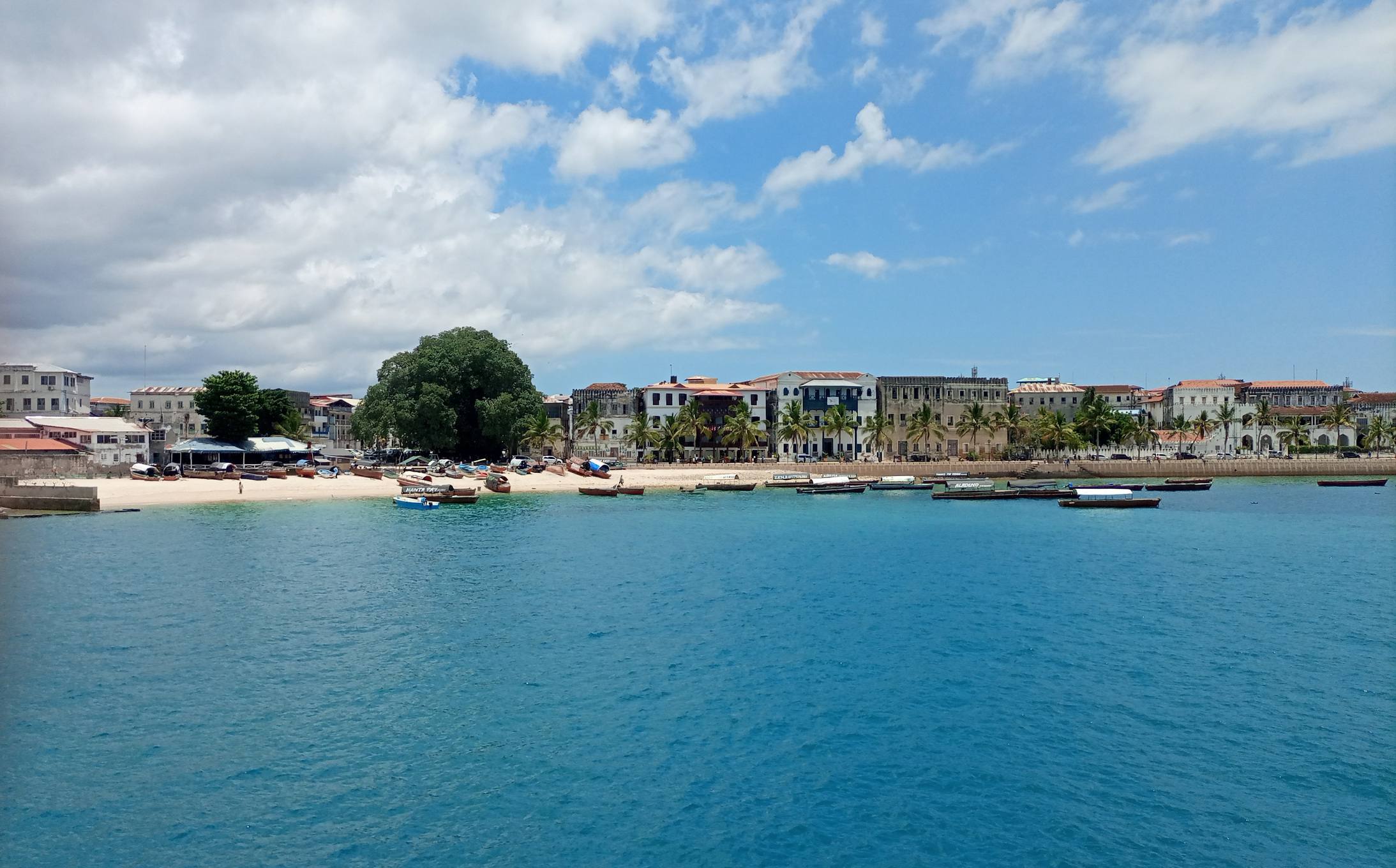
Zanzibar is the semi-autonomous part of Tanzania in East Africa. It is composed of the Zanzibar Archipelago in the Indian Ocean, 25–50 kilometres (16–31 mi) off the coast of the mainland, and consists of many small islands and two large ones: Unguja (the main island, referred to informally as Zanzibar) and Pemba. The capital is Zanzibar City, located on the island of Unguja. Its historic centre is Stone Town, which is a World Heritage Site.
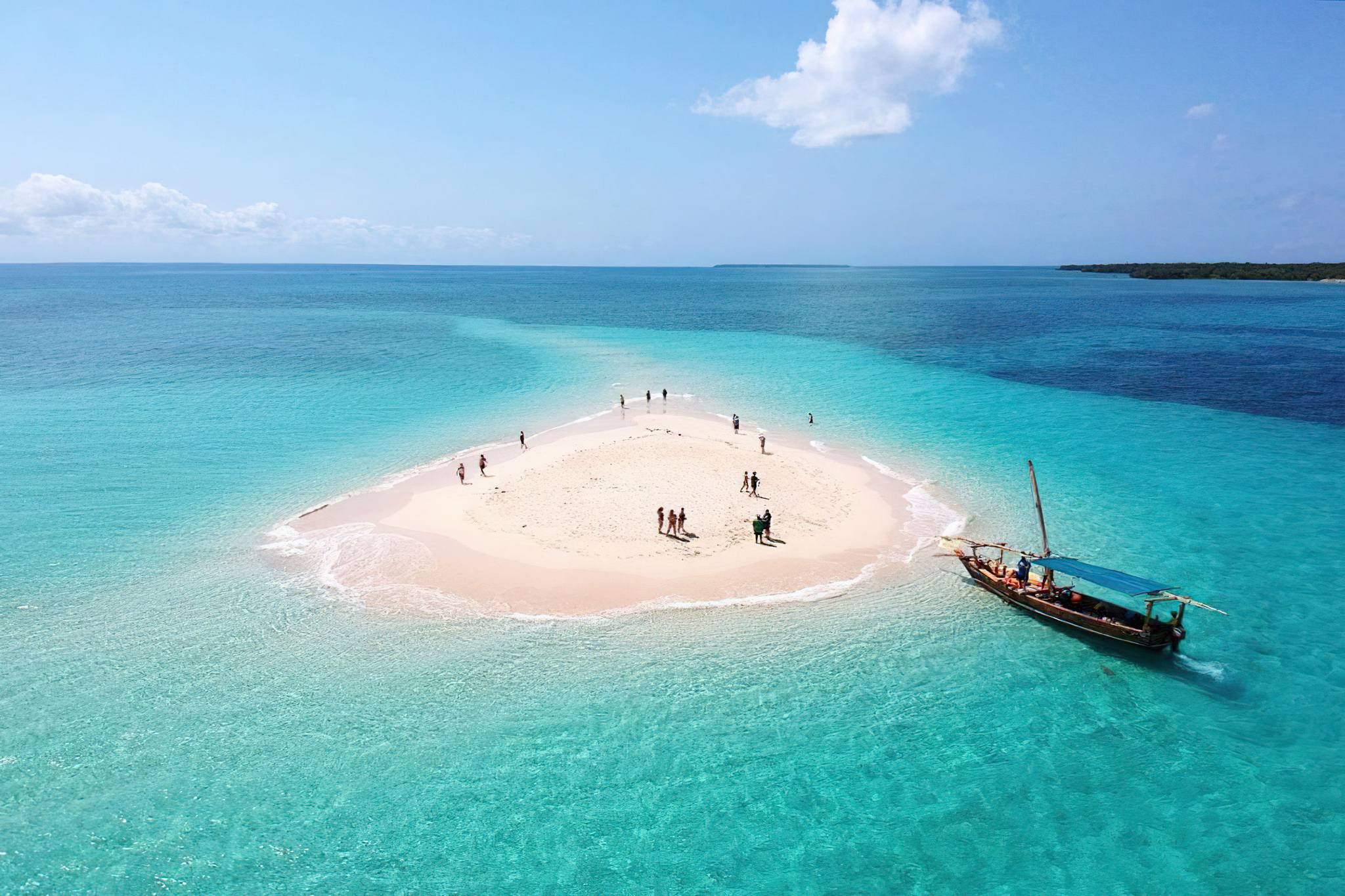
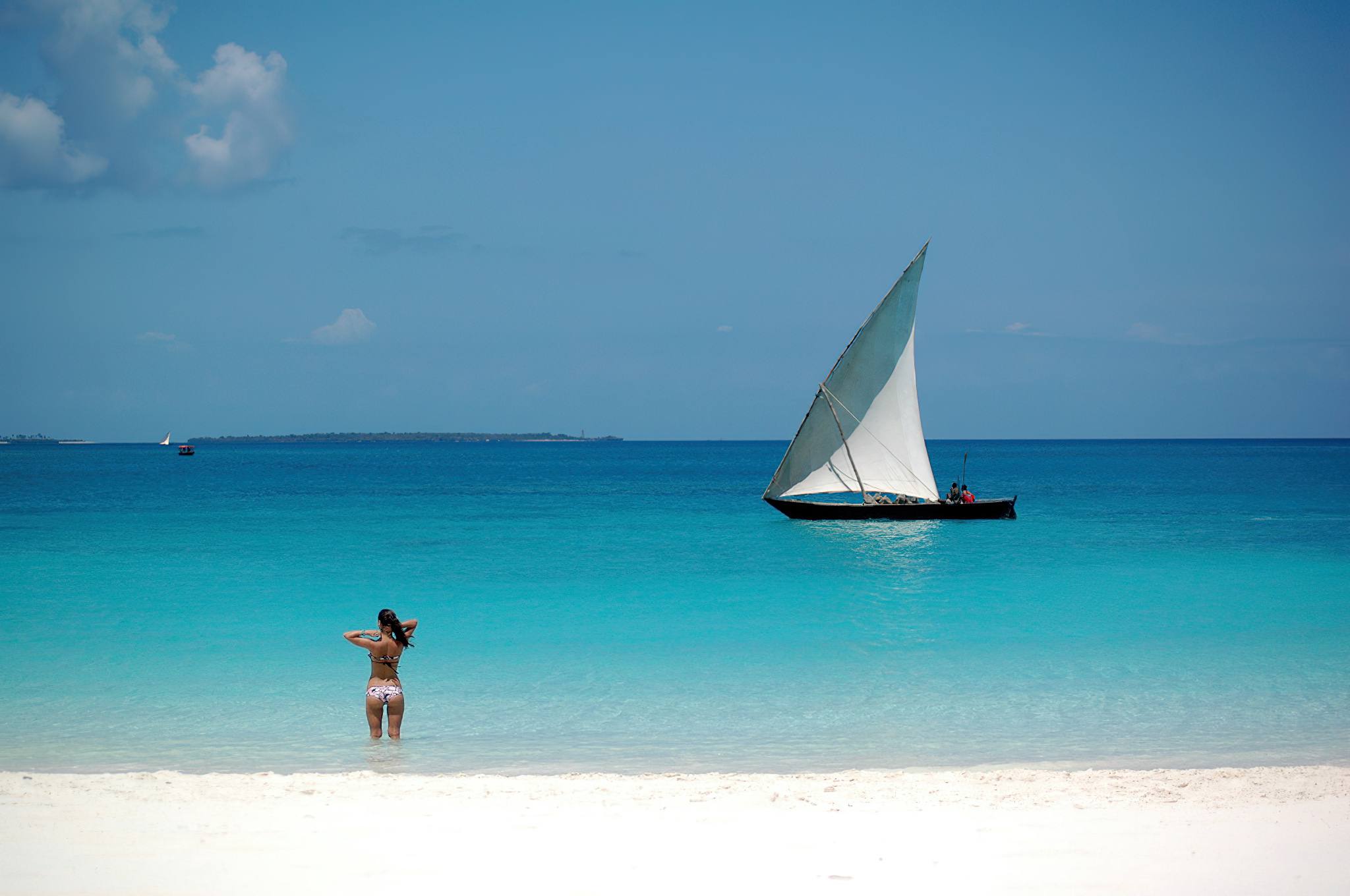
The Island is heaven for water sports activities such as swimming, snorkelling, diving with lots of luminous fish or just grazing over nearby coral gardens and pods of dolphins frolic offshore. The smooth beaches make the day dazzling in the sun.
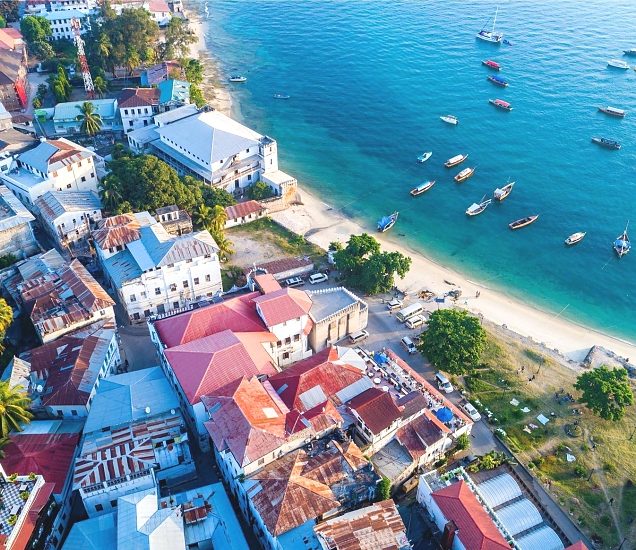
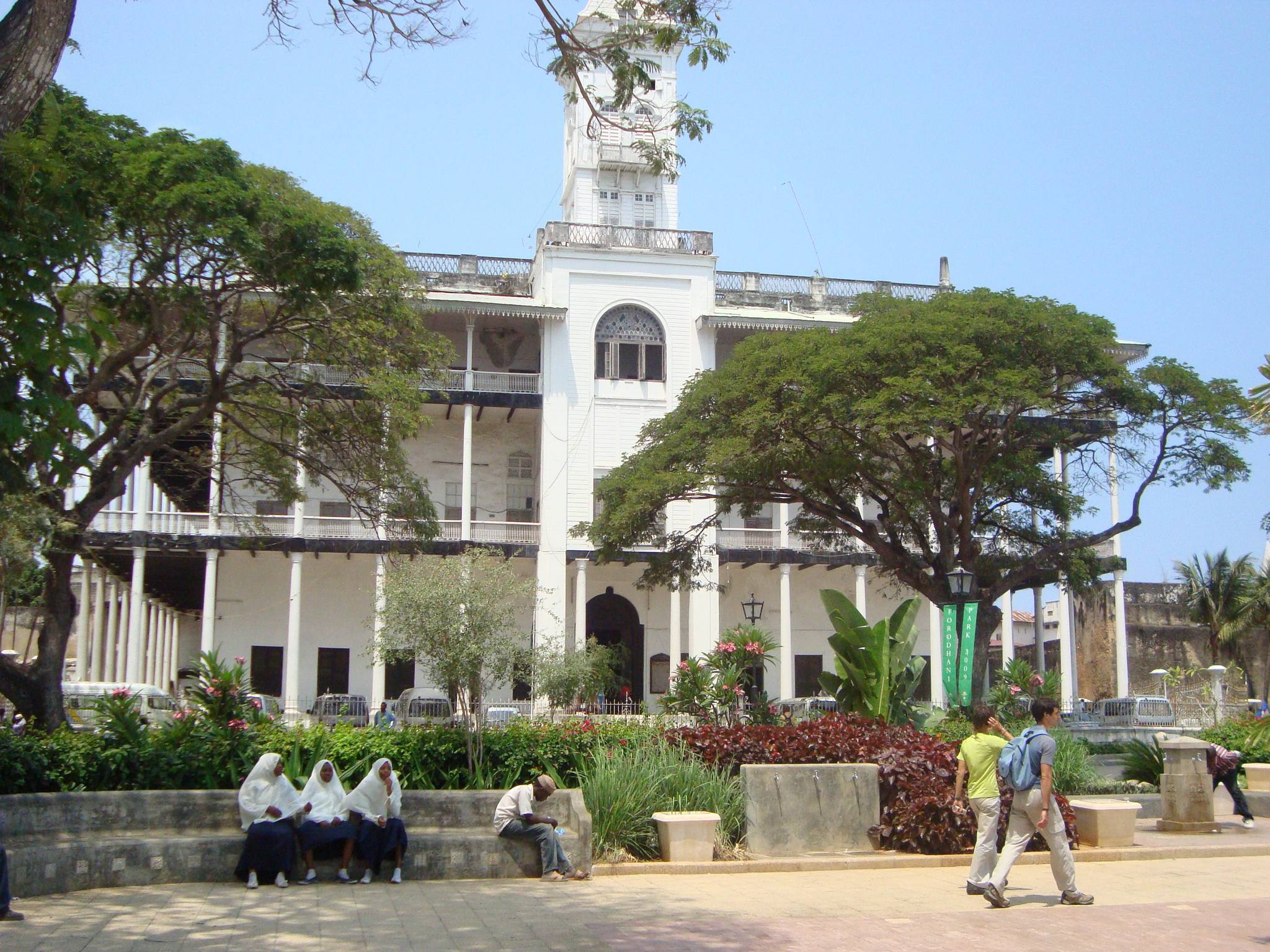
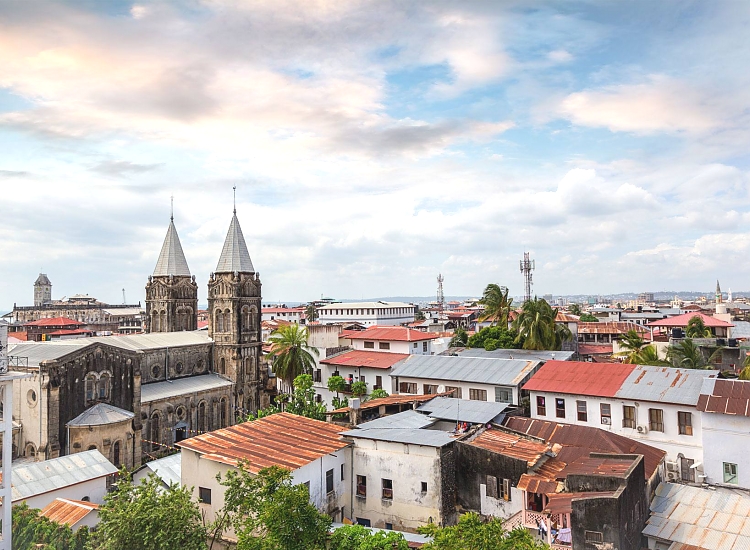
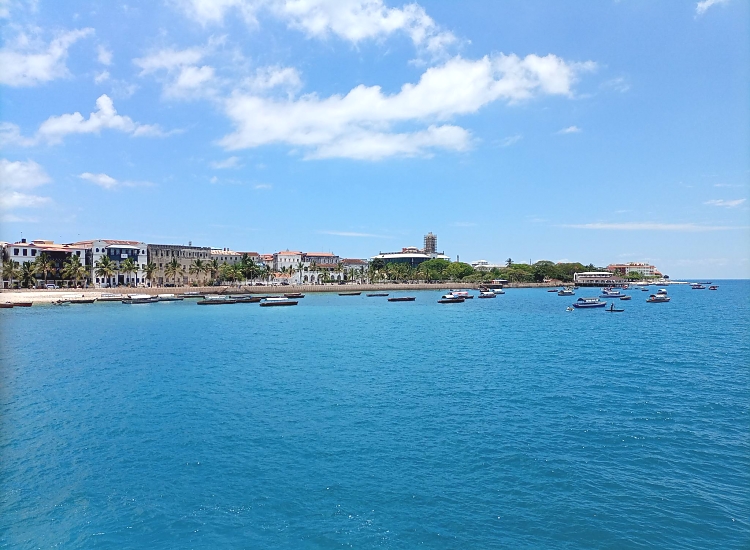
The historic Stone Town sits in the island’s capital, Zanzibar. The historic heart lets you imagine yourself floating back in time. The Spice Tour gives the opportunity to head out into the live plantations to see, touch and taste Zanzibar’s many spices in its natural environment. Some of the exotic flavours include cloves, vanilla, nutmeg, cinnamon, and other spices that have made the island famous.
If you wish to have Zanzibar’s eclectic street food, Forodhani Garden’s food market is your destination.
- UNESCO World Heritage Site: Stone town is the perfect place for culture, history and photography lovers
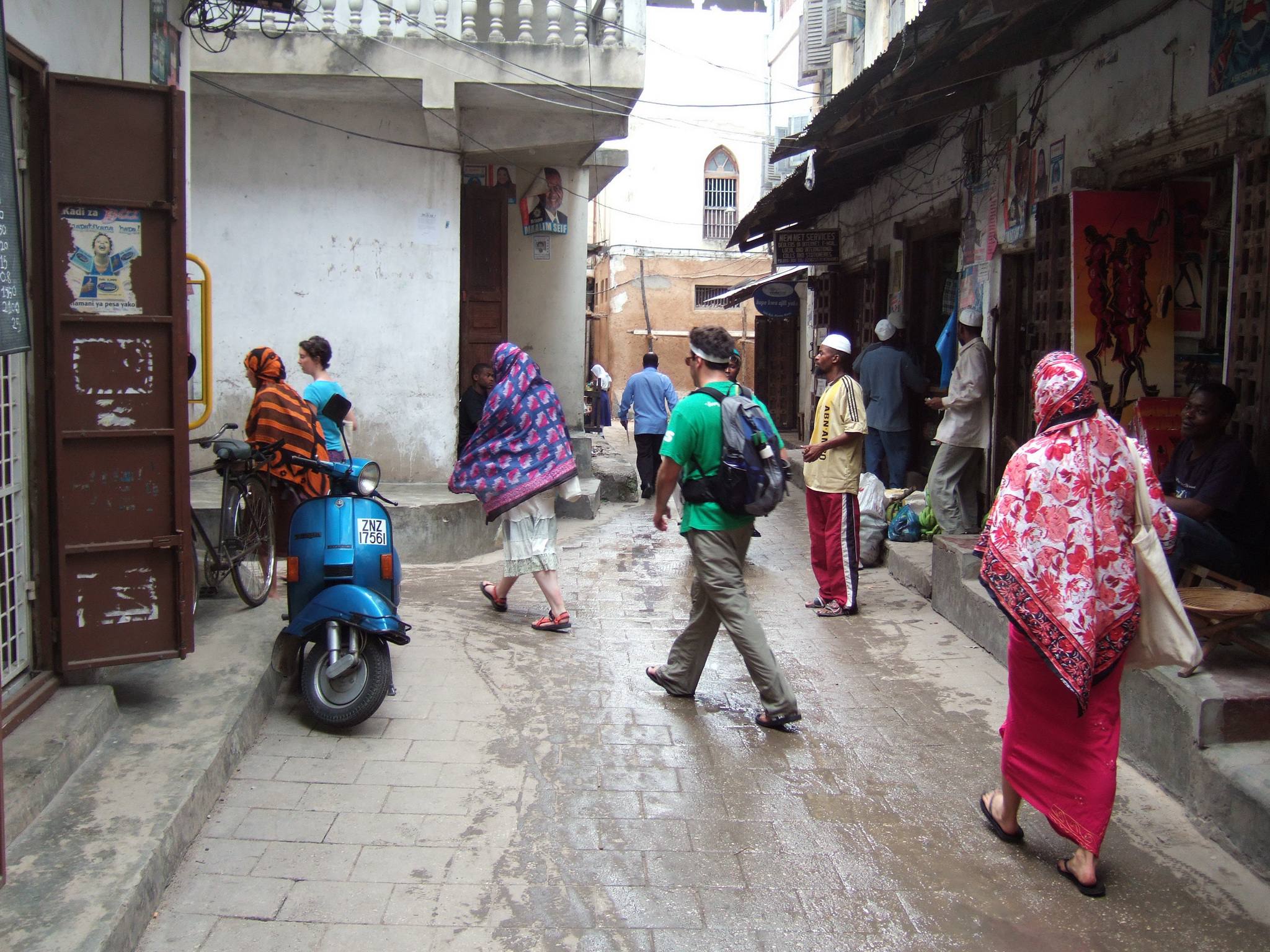
- Stone Town Highlights: Winding Alleys, Carved Doors, History and Markets
Sights
Map
Info
Zanzibar is…
a semi-autonomous archipelago of Tanzania, located off the coast of East Africa in the Indian Ocean. Known as the “Spice Islands,” it boasts a rich history shaped by African, Arab, Indian, and European influences, evident in its culture, food, and architecture.
Geography and government
- The Zanzibar Archipelago is composed of two main islands, Unguja (often referred to as Zanzibar) and Pemba, along with numerous smaller islands.
- It functions as a semi-autonomous region of Tanzania, with its own government and president. The union with mainland Tanganyika was formed in 1964.
- The capital is Zanzibar City, where the historic district of Stone Town is a designated UNESCO World Heritage Site.
Culture and history
- Zanzibar’s history dates back over a millennium as a center for trade routes, connecting Africa, Arabia, India, and Persia.
- It was once the capital of the Omani Sultanate in the 19th century and a significant hub for the spice and slave trades, a dark chapter in its past.
- The local culture is predominantly Swahili, with a blend of African, Arab, and Indian customs.
- The majority of the population is Muslim, and visitors should dress modestly, especially in Stone Town and villages, out of respect for local customs.
Tourist attractions
- Stone Town: Explore the maze of narrow streets, ancient mosques, and historic buildings featuring intricately carved wooden doors that reflect the island’s diverse heritage.
- Beaches: Relax on stunning white-sand beaches with crystal-clear turquoise water. Popular beach destinations include:
-
Nungwi and Kendwa on the northern tip, known for vibrant nightlife and diving opportunities.
-
Paje and Jambiani on the eastern coast, popular for kitesurfing and a more laid-back atmosphere.
-
Pongwe, which has a beach that is not very tidal, allowing for swimming at most times.
-
- Spice Tours: Visit a spice farm to learn about the history and cultivation of spices like cloves, vanilla, and cinnamon that made Zanzibar famous.
- Prison Island (Changuu Island): Take a boat trip to see the giant Aldabra tortoises and the historic quarantine and prison buildings.
- Jozani Forest: Discover the rare and endemic Zanzibar red colobus monkey in this lush national park.
Economy
- Zanzibar’s economy is led by tourism, which recovered strongly in 2024, accounting for nearly 30% of its GDP.
- Key agricultural exports continue to include cloves and seaweed, among other spices.
- Other economic pillars are fishing and trade, though the economy faces challenges related to high import dependence.
Things to know
- The official languages are Swahili and English.
- The currency is the Tanzanian shilling, but US dollars are widely accepted in tourist areas.
- Yellow fever vaccination certificates may be required for entry, and malaria prophylaxis is recommended.
- The archipelago experiences two rainy seasons: a longer one from March to May and a shorter one in November and December.